TravelTips24 : Africa : Southern Africa : Botswana : Okavango Delta
Okavango Delta
Table of Contents
Regions / Cities / Other destinations / Culture and History / Talk / Travel to Okavango Delta, visa requirements / Get around / Okavango Delta attractions and sightseeing / City tours / Good restaurants and cheap meals / Okavango Delta nightlife, bars, clubs and pubs. / Stay safe / Get outThe Okavango Delta is a region in Botswana.
Regions
Cities
Other destinations
Culture and History
The University of Botswana's Harry Oppenheimer Okavango Research Centre HOORC was established in 1994 in response to the need to understand the natural and human processes that shape the Delta, which became a Ramsar Wetland of International Significance in December 1996. HOORC's multidisciplinary research teams provide the science to support the work of local, national and regional planning bodies such as Botswana's Okavango Delta Management Plan and OKACOM, the Okavango River Basin Water Commmission. Flow the HOORC Library weblog, reports research and news relevant to the Delta.
Talk
Travel to Okavango Delta & Visa Requirements
Most travellers start from Maun with their own car. You can also charter airplanes there or go on a tour with one of the flying-safari operators.
Tours & Getting around Okavango Delta
Okavango Delta attractions and sightseeing
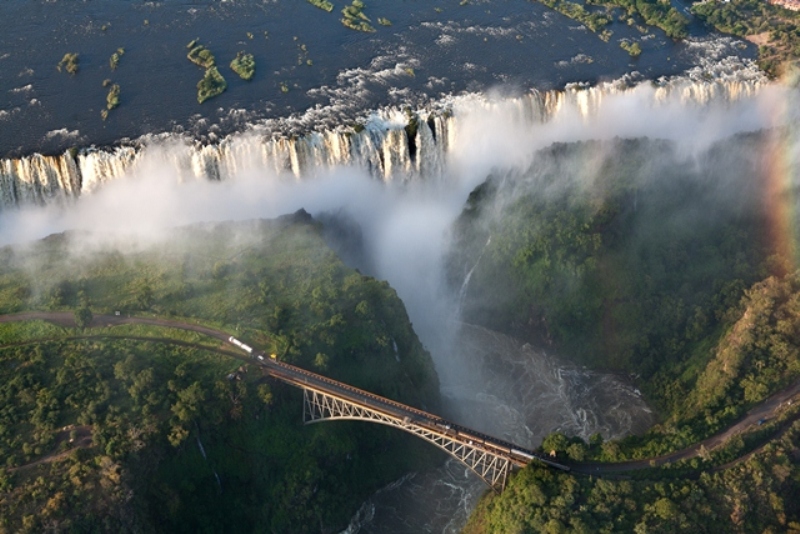
- The Okavango Delta is one of the world's great inland waterways. The meandering Okavango River is breathtaking, seen either by boat, airplane or mokoro. The main choices are to go on safari in Moremi Game Reserve or stay at one or two of the many lodges. The animals, as outlined below, the birding, flora and fauna are spectacular.
- Tsodilo Hills a 10 sq km area UNESCO World Heritage Site [1] due to its 4500 rock paintings. It's about a 40 km drive along a good grade dirt road from Shakawe.
Okavango Delta city tours
Go. It's amazing. Fabulous. One the most magical places in the entire world. The budget minded can take the bus from Maun to Sepopa. There is now a river taxi that travels daily from Sepopa to Seronga and coordinates with the buses. If your timing is off stay at Swamp Stop overnight. In Seronga you can stay at the Polers Trust and enjoy the mekoro trips.
Much of the area is divided into large concessions run by various safari groups. Development is strictly regulated so that there is little development and lots of wildlife. It is expensive, but worth it to stay in some of these permanent tented campsites. The guides are knowledgeable, and the accommodations very comfortable. Wilderness Safaris runs many great camps. They are all inclusive: two wildlife rides a day, all meals, snacks and drinks are included in the price.
Okavango Delta Restaurants: cheap, moderate and expensive
Okavango Delta nightlife, bars, clubs & pubs
Stay safe
Large Nile Crocodiles are present in the Okavango Delta and are the 2nd largest species of crocodile in the world (behind crocodylus porosus) and is a known maneater. Respect should always be given and swimming is not advised anywhere in order to curb any unneeded suffering for yourself or the animal. Lions and Leopards are also present and should always be given extreme distance and, unless impossible, should ONLY be viewed from a vehicle. Hyenas have a bite stronger than any other mammal in Africa (including the Lion) and can be particularly dangerous in packs, show them distance and respect. Elephants, Wildebeest, Water Buffalo, Wart Hog, and especially Hippos can all be very dangerous (in many cases even more so than the carnivores) so distance and caution should always be taken into account.
Get out
This page was last edited at 13:07, on 5 October 2008 by David. Based on work by Sally Jackson, Stephen Marks, Philipp Schäufele, Nick Roux, Tim Sandell, David Young, Felix Gottwald, Colin Jensen and vacationtechnician.com, Wikitravel user(s) Morph, Texugo, Jonboy and Huttite and Anonymous user(s) of Wikitravel.
Content on this page is available under the Creative Commons Attribution-ShareAlike 1.0 license