Dolnoslaskie
Dolnośląskie [1], also Dolnośląskie Voivodship, Lower Silesia or Lower Silesian Voivodship, is a voivodship, also written voivodeship, in South-West Poland.
Regions
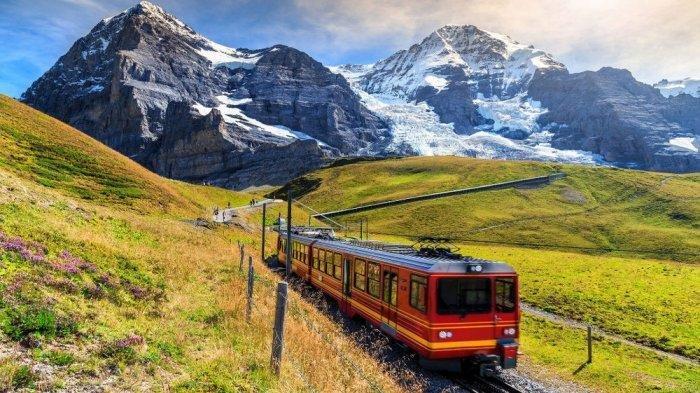
- The Giant Mountains (Polish - Karkonosze, Czech - Krkonoše, German - Riesengebirge), divided between Poland and the Czech Republic. Note that originally Germans lived on both sides of this border, still visible on old cemetaries on the Czech side - the Polish cleared all German tombstones when they annexed this part of Germany after WW2.
- Snow Mountain (Polish - Śnieżka, Czech - Sněžka, German - Schneekoppe), the highest mountain in the Giant Mountains, 1602 m. high.
- Jeleniogorska Valley (Polish - Kotlina Jeleniogórska) - a valley north to the Giant Mountains with Jelenia Góra (German Hirschberg) aglomeration,
- Klodzko County (Polish - Kotlina Kłodzka, German - Grafschaft Glatz), a valley surrounded by several mountain ranges,main city Kłodzko (German: Glatz), contains several health resorts - Polanica Zdrój (German: Bad Alteheide), Duszniki Zdrój (German: Bad Reinerz), Kudowa Zdrój (German:Bad Kudowa).
- Trzebnica Hills
- Barten River Valley (Polish: Dolina Baryczy)includes:
- Milicz Ponds, a perfect place for bird watching
Cities
- Wrocław (German: Breslau)
- Głogów (German: Glogau)
- Jawor (German: Jauer)
- Jelenia Góra (German: Hirschberg)
- Karpacz (German: Krumhübel)
- Kłodzko (German: Glatz)
- Kudowa-Zdròj (German: Bad Kudowa)
- Legnica (German: Liegnitz)
- Lubin (German: Lueben)
- Malczyce
- Oleśnica
- Świdnica (German: Schweidnitz)
- Wałbrzych (German: Waldenburg)
- Wambierzyce
- Złotoryja
- Środa Śląska
Other destinations
UNESCO World Heritage Sites
- Jawor Peace Church (German: Friedenskirche Jauer) and Świdnica Peace Church (German: Friedenskirche Schweidnitz) built only of wood and very simple exterior but overwhelming Baroque interior.
- Centennial Hall (original name Jahrhunderthalle, now Hala Ludowa) in Wrocław huge hall from the beginning of the 20th century.
National Parks
- Góry Stołowe National Park – national park in the Sudetes around the Szczeleniec Mountain (~1000m) with bizarre rocks.
- Karkonoski National Park – national park in the Sudetes around the Śnieżka Mountain (1602m) with beautiful waterfalls.
Spas
- Cieplice-Zdrój – spa in the Karkonosze.
- Duszniki-Zdrój – spa in the Sudetes.
- Długopole-Zdrój – spa in the Sudetes.
- Jedlina-Zdrój – spa in the Sudetes.
- Kudowa-Zdrój – spa in the Sudetes.
- Lądek-Zdrój – spa in the Sudetes.
- Polanica-Zdrój – spa in the Sudetes.
- Świeradów-Zdrój – spa in the Sudetes.
Understand
In the early second millenium Lower Silesia started out as a part of Poland. In the 12th and 13th century Silesia fell apart into several duchies of which Wrocław, Głogów, Wschowa and Świdnica are in Lowe Silesia. In the 14th centrury Wschowa became again a part of Poland, while the others came under Czech rule. Bohemia was ruled at this time by the German Luxembourg, later the Polish Jagiellonians and finally by the Austrian Habsburga. In 1741 Lower Silesia became a part of Prussia after Austria lost a decisive war over Silesia. After World War II Lower Silesia was annexed by Poland and almost all of its population (almost entirely German) was expelled and the country was resettled by Poles.
Talk
After most of the original population (Germans) had been terminated or deported after 1945 almost all residents of Lower Silesia today speak Polish - although a few German enclaves still exist. Most young people know at least a few words of English. Older people quite often understand basic German or Russian.
Get in
Some major airlines, Poland's national carriers LOT Polish Airlines, and a low cost airline Centralwings (owned by LOT) and some other low cost airlines fly to Wrocław's Copernicus Airport (WRO). Domestic flights operated by LOT (under Eurolot brand) connect Wrocław with Warsaw's Frederic Chopin Airport (WAW).
Get around
See
Do
Eat
Drink
Stay safe
Get out
Dolnośląskie boarders three other Polish voivodships
- and Opolskie,
as well as the Czech Republic and Germany.
This page was last edited at 08:58, on 24 February 2009 by Wikitravel user Vidimian. Based on work by Andrew Haggard, Daniel Hausner, Evan Prodromou and Colin Jensen, Wikitravel user(s) Episteme, Anonymous user(s) of Wikitravel and others.